
Please read these facts before making a circumcision decision
- Worldwide prevalence: Circumcision is nearly universal among Muslims who do it for cultural or religious reasons. Aside from Muslims, Jews, and Americans, less than 5% of the world’s males are circumcised.
- Medical organization policies: No national medical organization in the world recommends routine circumcision of male infants. (See Circumcision Policies of International Organizations.)
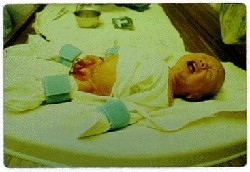
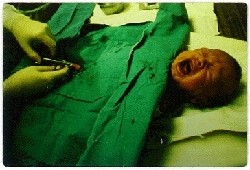
- Pain: According to a comprehensive study, newborn responses to pain are “similar to but greater than those observed in adult subjects.” Circumcision is extremely painful and traumatic. Some infants do not cry because they go into traumatic shock from the overwhelming pain of the surgery. No experimental anesthetic has been found to be safe and effective in preventing circumcision pain in infants. (See Infant Responses to Circumcision.)
- Behavioral response: Various studies have found that short-term effects of circumcision include changed sleep patterns, activity level, and mother-infant interaction, more irritability, and disruptions in feeding and bonding. Long-term effects have not been studied. Changes in pain response have been demonstrated at six months of age. (See Infant Responses to Circumcision.)
- Circumcision complications and risks: The rate of complications occurring in the hospital and during the first year has been documented as high as 38% and includes hemorrhage, infection, surgical injury, and in rare cases, death. For a complete list see Circumcision: Over 100 Known Complications and Risks.
- Cleanliness: The American Academy of Pediatrics (AAP) has said that “there is little evidence to affirm the association between circumcision status and optimal penile hygiene.” “The uncircumcised penis is easy to keep clean. . . . Caring for your son’s uncircumcised penis requires no special action. . . . Foreskin retraction should never be forced.”
- Sexually transmitted diseases: According to the AAP, “Evidence regarding the relationship of circumcision to sexually transmitted diseases in general is complex and conflicting. . . . Behavioral factors appear to be far more important risk factors.” (See Explaining Claims of Medical Benefits.)
- Matching friends: There is no documented emotional harm connected with having a natural penis. To the contrary, there are growing reports from men who have disliked being circumcised since they were boys, even though they were in the majority. (See Circumcision to Look Like Others.)
- Adult circumcision: The medical need for circumcision in adults is as low as 6 in 100,000. Adults, unlike infants, receive effective anesthetics. (See Men Circumcised as Adults.)
- Foreskin function and size: The foreskin protects the head of the penis, enhances sexual pleasure, and facilitates intercourse. Men circumcised as adults report a significant loss of sensitivity. Men who have restored their foreskin report much increased sensitivity and sexual pleasure. The foreskin on the average adult male is about 12 sq.in. of highly erogenous tissue. (See Functions of the Foreskin.)
- Sexual effects: Circumcision reduces sexual pleasure for men and female sexual partners. (See Circumcision Removes the Most Sensitive Parts of the Penis and Circumcision Affects Female Sexual Pleasure.)
- Jewish circumcision: A growing number of American Jews are not circumcising their sons. Circumcision among Jews in Europe, South America, and Israel also is not universal. (See Jewish Circumcision Resource Center.)
- American origin: Routine infant circumcision started in the U.S. in the 1870s when it was promoted as a preventive cure for masturbation.
- Male attitude: Male satisfaction with circumcision depends on lack of knowledge about circumcision. The more men know, the more likely they are to be dissatisfied. They wish they had a choice. (See Why Most Circumcised Men Seem Satisfied, Psychological Impact of Circumcision on Men, and Discovering Circumcision Feelings.)
- Professional Protest: Some aware doctors and nurses refuse to perform or assist with circumcisions because of ethical considerations. (See Circumcision, Ethics, and Medicine.)
For more information see Circumcision Positions of Circumcision Proponents and Child Advocates.
What some noted physicians say about circumcision
“My own preference, if I had the good fortune to have another son, would be to leave his little penis alone.”
—Benjamin Spock, M.D.,
renowned pediatrican
“. . . there are now serious concerns this routine procedure may actually deprive adult men of a vital part of their sexual sensitivity.”
—Dean Edell, M.D.,
National Radio Host
“My feeling is that it is a traumatic experience and I am opposed to traumatizing the baby. I’m also opposed to inflicting an operation on an individual without his permission.”
—Howard Marchbanks, M.D.,
Family Practitioner
“The risks of newborn circumcision are an underreported and ignored factor in this argument. Most often a poor surgical result is not recognized until years after the event.”
—James Snyder, M.D., urologist
past president of the Virginia Urologic Society
